Blog
Insights on product integrity, quality trends, and consumer electronics.

Behind every winner and every Hall of Shame inductee in the first URDB Integrity Awards is a story about choices: the ones manufacturers made, the ones they didn't, and what those choices cost the people who trusted them enough to buy their products. This is the full account.

KitchenAid mixers used to last 30 years. Craftsman tools used to be made in America with a no-questions lifetime warranty. Hoover vacuums used to be engineered to last. Then the financiers arrived. A data-backed investigation into what private equity and cost-extraction acquisitions actually do to the products you grew up trusting.
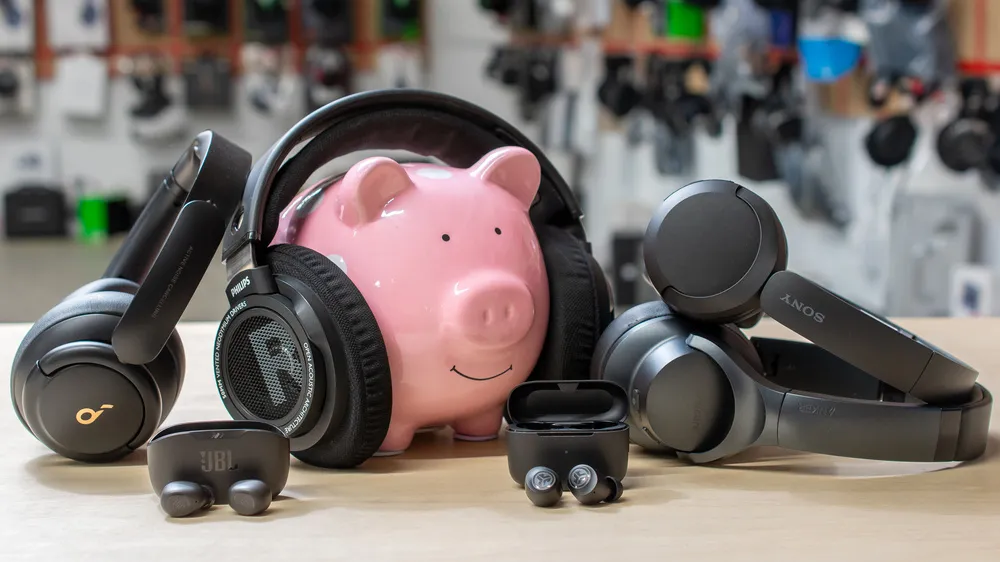
The price of flagship ANC headphones has increased 40% over five years. The internals haven't kept pace. A teardown-by-teardown look at how Sony, Bose, and Jabra have quietly degraded the hardware inside their most expensive products while the marketing got louder.
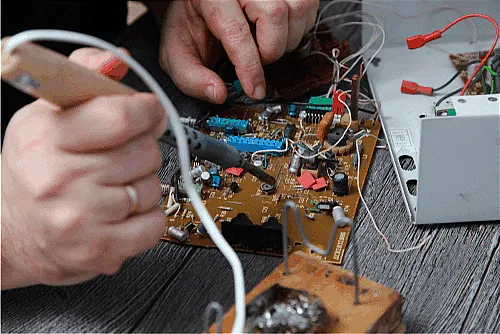
Independent repair has been the backbone of American consumer culture for a century. Now a combination of parts lockouts, diagnostic paywalls, and deliberate design complexity is systematically dismantling it — and the cost is being passed directly to you.
You bought it. You have the receipt. But a growing body of law, software, and corporate policy says the manufacturer still controls what you can do with it. The gap between owning hardware and actually controlling it has never been wider.
Same model number. Same packaging. Worse product. Companies have quietly refined the art of degrading products without changing the name on the box. Here's how to catch them doing it — before you buy, and after.
Amazon's search and Buy Box algorithms don't measure quality — they measure conversion rate, return rate proxies, and review velocity. The result is a marketplace where making a worse product is often the rational business decision. Here's how the math works, and why it won't fix itself.

We ran the numbers. Between shortened product lifespans, mandatory subscription upgrades, firmware-locked replacements, and features that disappear after purchase, the average American household pays somewhere between $1,200 and $2,800 per year in hidden enshittification costs. Here's the breakdown.
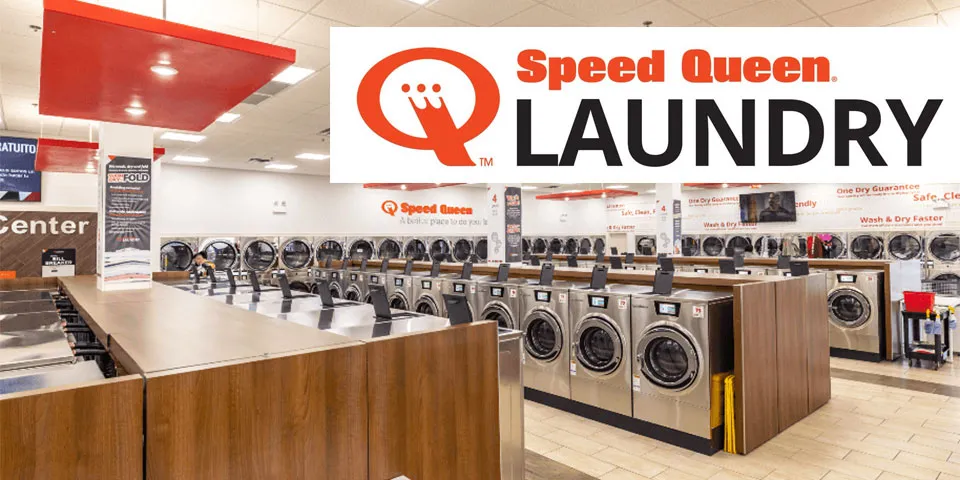
Speed Queen builds washing machines with commercial-grade mechanical agitators, no Wi-Fi, no app, no subscription, and a documented 25-year lifespan. They won two URDB Integrity Awards in 2025. Here's why a brand that refuses to innovate in almost every direction the appliance industry has gone is actually the most interesting story in consumer goods right now.
A dozen states have now passed some form of right-to-repair law. Most Americans still live somewhere with no protections at all. Here's the full picture: which states have acted, what their laws actually cover, what the industry has done to gut them, and what a patchwork of 50 different rules means for the products sitting in your home right now.
You bought a product. It worked. Then a software update arrived — and the product you owned became measurably worse. From Sonos speakers to iPhones to HP printers, companies have discovered that the fine print in a terms of service gives them the legal right to degrade your property after you've paid for it.
You paid for it. You brought it home. But one missed payment, one cancelled subscription, one server shutdown — and the product you own becomes an expensive paperweight. From HP printers to Tesla Autopilot, here's how the subscription economy is rewriting the rules of ownership.