URDB Integrity Awards
2025
The only consumer tech awards that recognize companies for what they didn't do to customers. Honoring repairability, honest ownership, and resistance to enshittification.
Editor's Note
The URDB Integrity Awards are not sponsored, not affiliated with any manufacturer, and accept no advertising. Every winner was selected by reviewing documented product data in the URDB database: versions, change events, and integrity scores built from sourced evidence.
Our scoring weights durability, repairability, material quality, version stability, anti-shrinkflation, firmware and lock-in behavior, and ownership integrity. We award products that score well on the dimensions most consumers never think to check. Until it's too late.
The Hall of Shame exists because the positive awards alone would be incomplete. Enshittification is a documented, measurable phenomenon. Naming it publicly is part of the mission.
The URDB Editorial Team, March 2026
Category Awards
Best integrity per product category among 2025 releases.
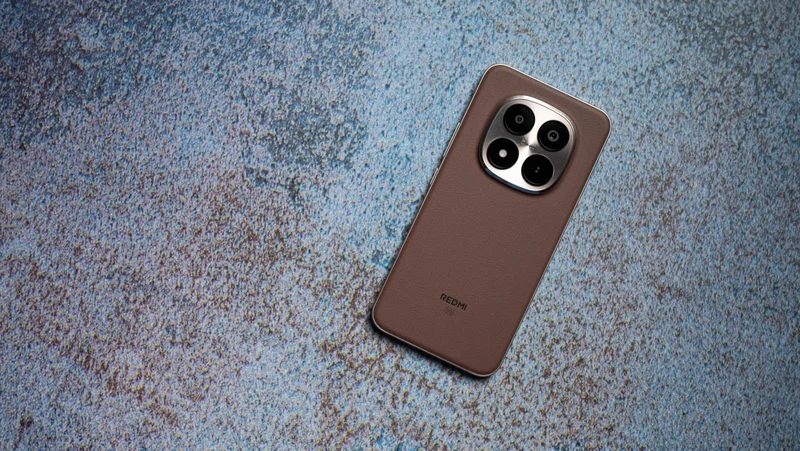
Fairphone
Fairphone 6
iFixit 10/10 repairability. Modular design: battery, display, USB-C, and camera all user-replaceable with a standard screwdriver. 5-year warranty, 8 years of OS updates, fair-mined materials, unlockable bootloader.
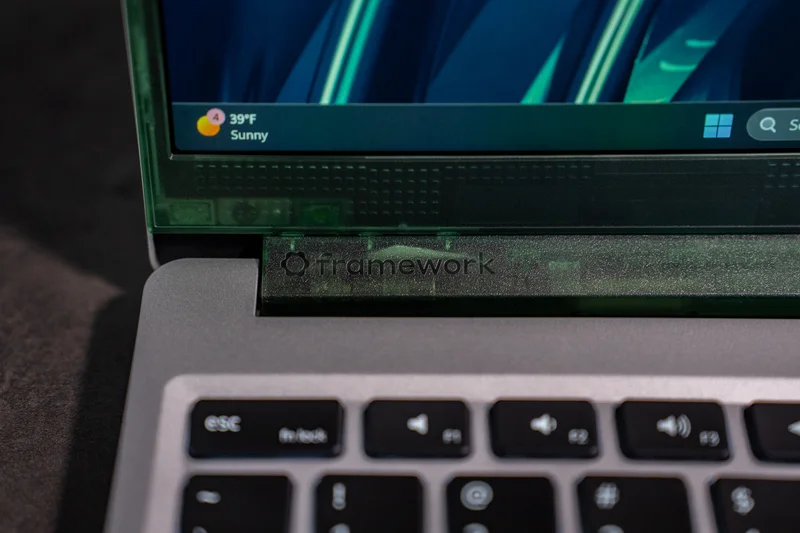
Framework
Framework Laptop 13 (2025, AMD Ryzen AI 300)
iFixit 10/10. Every component swappable including mainboard, battery, and ports. Same chassis accepts mainboards across all Framework generations; a 2020 unit can be upgraded to 2025 hardware.
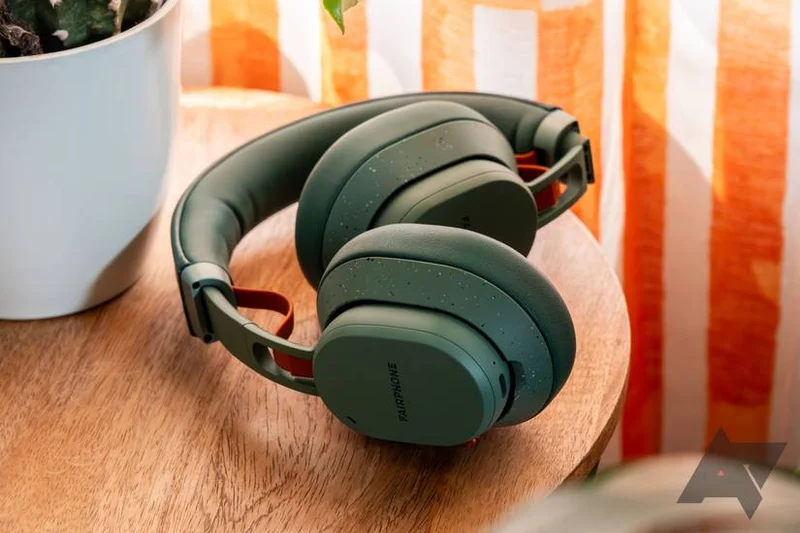
Fairphone
Fairphone Fairbuds XL (2025)
User-replaceable battery, cushions, speaker covers, headband, and drivers. No special tools needed. 3-year warranty with indefinite spare parts availability. No subscription, no DRM, no app required.
Speed Queen
Speed Queen TR7 Washer
7-year parts and labor warranty. Designed for 25-year residential lifespan. No Wi-Fi, no app, no subscription. Mechanical simplicity means fewer electronics to fail. Parts stocked locally nationwide.
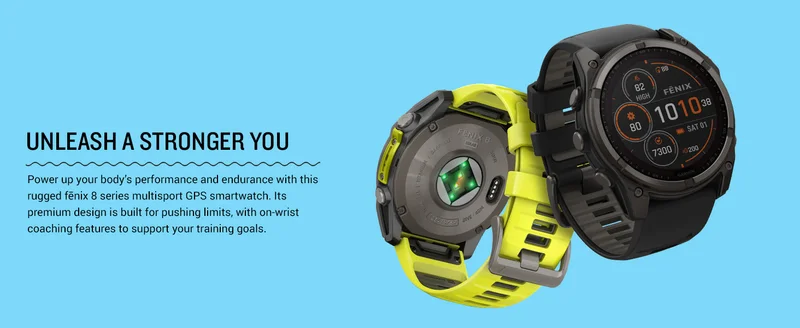
Garmin
Garmin Fenix 8
No subscription required for core features: GPS, heart rate, sleep, training load. Offline topo maps included at no ongoing cost. Works with Android and iOS. Exports data in open formats.
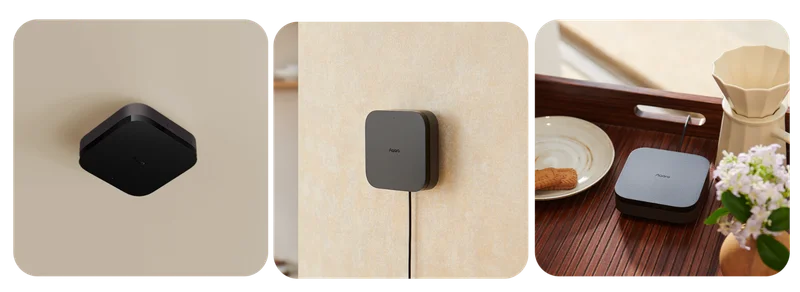
Aqara
Aqara Hub M3
Matter + Thread certified. Full local control; automations run offline with zero cloud dependency. No subscription required. No microphone, no camera. Supports Home Assistant, HomeKit, Google Home, Alexa, SmartThings.
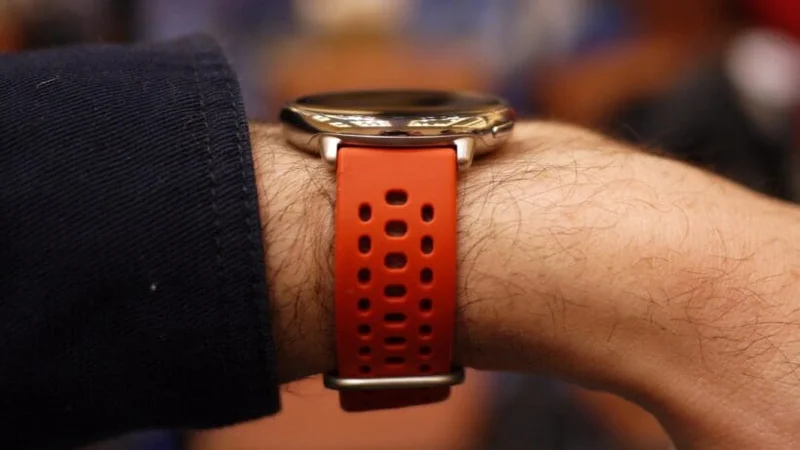
Amazfit
Amazfit Active 2
All core health features unlocked at purchase at $99, with no subscription tier ever required. Heart rate, GPS, sleep, blood oxygen, temperature monitoring all included. 10-day battery life.
Television
Award withheld. No 2025 release met the 60-point minimum threshold on ownership and firmware dimensions.
Gaming Console
Award withheld. All major 2025 consoles have documented ownership regressions. Nintendo Switch 2's May 2025 Terms of Service update allows consoles to be permanently disabled for ToS violations, separate from the November 2025 firmware regression listed in the Hall of Shame.
Special Awards
Cross-category recognition for exceptional outcomes in 2025.
Fairphone
Fairphone 6
The only mainstream 2025 consumer device scoring high across all URDB dimensions simultaneously: repairability (iFixit 10/10), material quality (fair-mined and recycled materials), ownership integrity (unlockable bootloader, no carrier lock-in, alternative OS support), version stability (8-year update commitment), and anti-shrinkflation (same price tier with more capability than the prior generation). Sets the standard for what URDB is measuring.
Apple
PIRG “Failing the Fix” scorecard: Apple moved from F (2022) to B- (2025), the most improved brand on the scorecard. Self Service Repair now covers 40+ products across 33 countries. M5 iPad Pro earned the highest repairability score ever for any iPad (iFixit 5/10, up from 3/10). iPhone 16 series rated as most repairable iPhones ever. In 2022, Apple actively lobbied against Right-to-Repair legislation. By 2025 they are building out an independent repair ecosystem.
The arc of improvement is real and documented. Not complete, not perfect, but worth recognizing. Awarding progress incentivizes more of it.
Sonos
In May 2024, Sonos shipped a redesigned app that removed local music library search, playlist editing, sleep timers, and queue management. The backlash was severe enough that CEO Patrick Spence was forced out in January 2025. Under new CEO Tom Conrad, Sonos spent all of 2025 systematically restoring lost functionality. By end of 2025, the majority of missing features were restored with a full app rebuild committed.
A company degraded its product, got punished for it by customers, and spent a year earning trust back. That arc deserves recognition even if the original sin was egregious.
Speed Queen
Mechanical agitator design unchanged in its essentials for decades. No Wi-Fi ever added. No subscription ever introduced. 25-year residential lifespan documented by repair technicians. Parts available indefinitely through commercial supply chains. Zero documented enshittification events.
The platonic ideal of a product that does exactly what it says, forever.
Indie & Kickstarter Awards
Recognizing small companies and crowdfunded projects that delivered on their promises with no compromise on ownership.
Analogue
Analogue 3D
FPGA-based N64 recreation that plays your original cartridges in 4K with zero emulation, zero account required, zero subscription, zero cloud dependency. Every pre-order fulfilled before December 1, 2025. Small Seattle team. No VC. No platform lock-in. You own your cartridges; you own the console.
Mudita
Mudita Kompakt
Funded on Kickstarter and shipped exactly as promised: internationally April 2025, North America May 2025. E-ink Android phone with no Google Play Store by default, no advertising platform, no tracking. Mudita's second Kickstarter delivery after the original Pure, both fulfilled without scandal.
Hall of Shame
Three subcategories, each naming a distinct enshittification pattern from 2025. Documented, sourced, and based on change events in URDB.
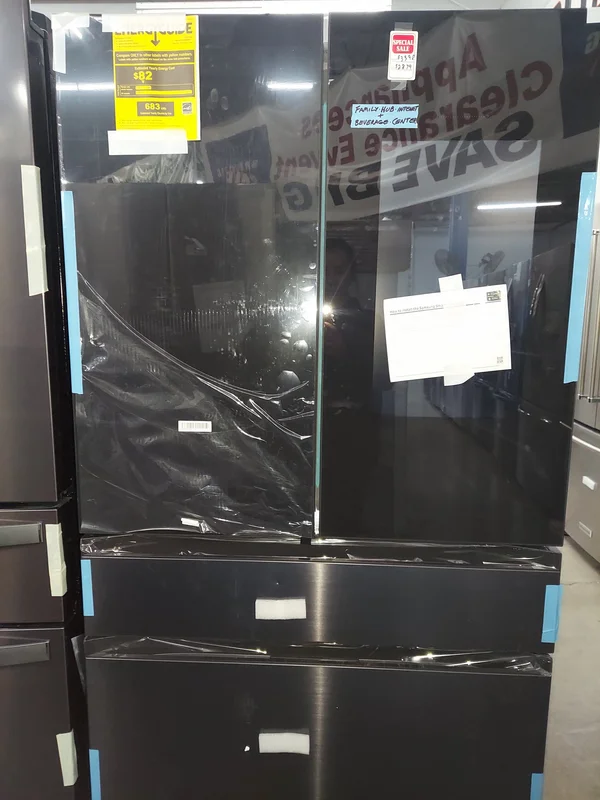
Samsung
Samsung Family Hub Refrigerator (RF29BB8900)
In September 2025, Samsung pushed an OTA update to Family Hub refrigerators (retailing at $2,000–$3,000+) that pushed ads to the Cover Screen display. No universal opt-out exists; the only way to eliminate the ads is to disconnect from Wi-Fi, which disables all smart features customers paid for.
Correction — via Samsung PR, March 9, 2026
“Family Hub™ owners will have the option to turn off Cover screen ads in the Advertisements tab of the Settings menu. Ads can also be dismissed on the Cover screen, meaning that specific ads will not appear again during the campaign period.”
In September 2025, Samsung announced and began piloting ads on Family Hub refrigerator Cover Screens (retailing at $1,900–$3,000+) with no opt-out. The full OTA rollout came October 27 — and only then was a settings opt-out introduced, under public pressure. Even that opt-out came with a penalty: disabling ads also removed the weather, news, and calendar widget entirely. A November 2025 follow-up partially decoupled the two. At no point were ads opt-in.
Textbook post-purchase extraction: sell hardware at full price, then monetize the owner via a software update they did not agree to. Three months from pilot to a halfway-functional opt-out is not a defense — it is the evidence.
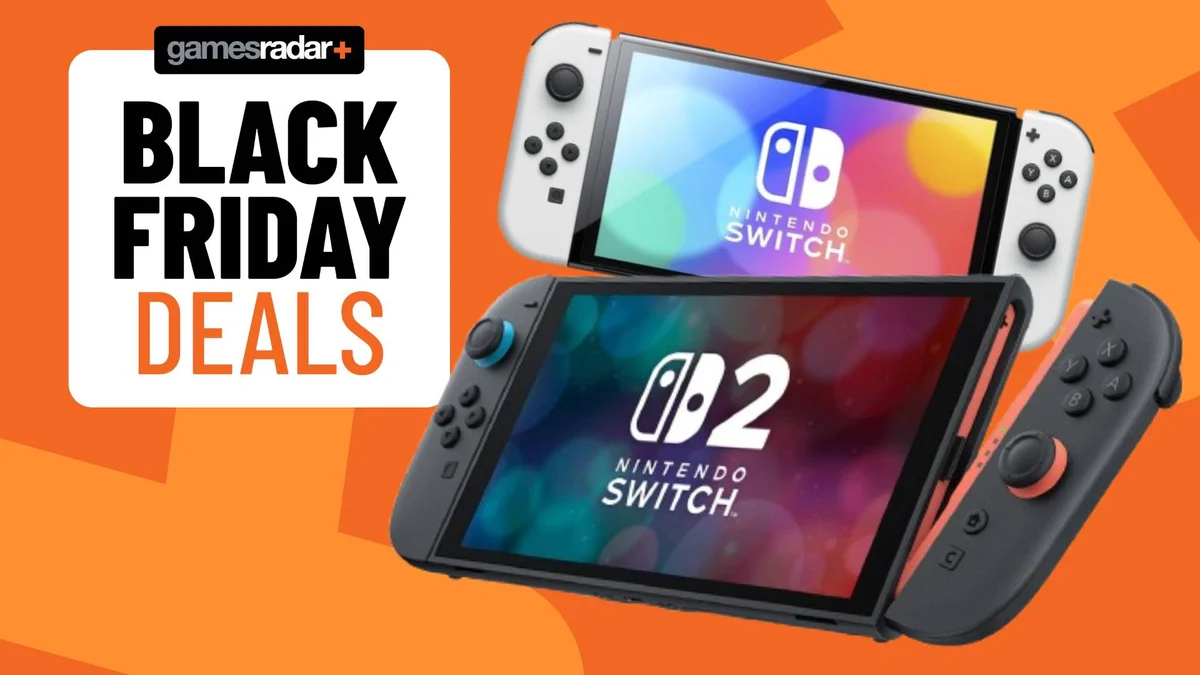
Nintendo
Nintendo Switch 2
Nintendo's November 2025 system update (firmware 21.0.0) altered how the Switch 2 negotiates audio/video output, breaking third-party docks that worked before the update. Customers had no recourse except waiting for third-party manufacturers to independently patch their own products.
Whether intentional anti-competitive behavior or reckless engineering, the outcome is the same: customers lost functionality they paid for because of a mandatory system update with no opt-out.
In October 2025, Neato Robotics shut down its cloud servers. All cloud-dependent Neato robot vacuums became permanently non-functional: app control stopped working, remote scheduling was lost, mapping was gone. No hardware failure. No wear. A server went offline and $300–$500 devices became paperweights. In December 2025, iRobot filed Chapter 11 bankruptcy, placing the entire Roomba cloud infrastructure in identical jeopardy. This award names the pattern, not one product.
The Cloud Coffin is not a malfunction. It's a business model. When a robot vacuum requires a vendor's servers to run its core features, the product's lifespan is bounded by that company's financial health. Neato confirmed it. iRobot is next in line.
Runner-up: Microsoft
Windows 10 end-of-life on October 14, 2025, affecting ~35–40% of all PCs worldwide. No official free upgrade path existed for hardware not meeting Windows 11 requirements; unofficial registry workarounds were unsupported and voided Microsoft support. Simultaneous end of Office 2019 support forces migration to Microsoft 365 subscription. Two separate paid-once products converted to dead-ends in the same month.
Judging Panel
Winners were reviewed and ratified by the following independent judges.
Aditya Thakur
Founder, URDB
LinkedIn ↗
Started URDB after buying a washing machine with a Wi-Fi chip and immediately wondering why. Has since catalogued several hundred reasons why products get worse after you buy them.
Grégoire Benveniste
Project Leader, ALTEN
LinkedIn ↗
Has spent years in industrial project management, which means he has a professionally calibrated radar for the gap between what a product promises and what it actually delivers. His opinions on repairability are stronger than most people's opinions on anything.
Adam Remelman
Manufacturing Engineer, LAM Research
LinkedIn ↗
Builds systems that have to work correctly the first time, every time, because there is no firmware patch for a semiconductor fab. Brings that same no-excuses standard to evaluating whether consumer products are actually built to last.
URDB Integrity Awards 2025, First Edition
Scoring methodology: urdb.io/methodology